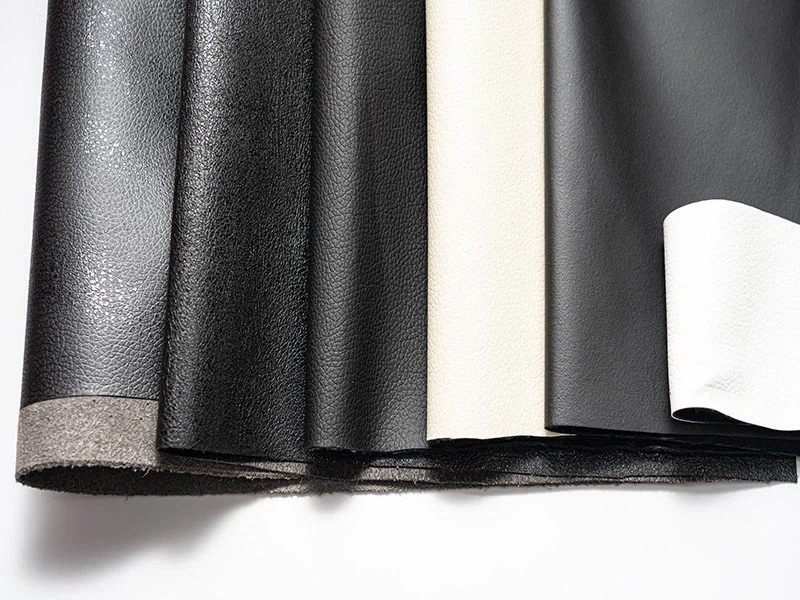
Hey there! As a PU film supplier, I often get asked about the anti-static performance of PU film. So, I thought I'd write this blog to share some insights on what the anti-static performance of PU film is all about.
What is Anti - Static Performance?
Let's start with the basics. Anti - static performance refers to a material's ability to prevent the build - up of static electricity. Static electricity is generated when two materials rub against each other, causing a transfer of electrons. This can lead to a whole bunch of problems, like attracting dust and debris, causing electrical malfunctions in sensitive equipment, and even creating sparks that could be a fire hazard in certain environments.
How Does PU Film Perform in Terms of Anti - Static?
PU film has some unique properties that contribute to its anti - static performance. First of all, the chemical structure of polyurethane (PU) itself plays a role. Polyurethane is a polymer with a relatively polar structure. Polar molecules can interact with the charged particles in the air, which helps to dissipate static charges.
Another factor is the surface properties of the PU film. A smooth surface on the PU film reduces the friction between the film and other materials. Since friction is one of the main causes of static electricity generation, a smooth surface means less static build - up.
We've also developed special formulations for our PU films to enhance their anti - static performance. These formulations may include anti - static agents that are added during the manufacturing process. These agents work by creating a conductive layer on the surface of the film, which allows the static charges to flow away instead of building up.
Applications Benefiting from Anti - Static PU Film
There are many industries that can benefit from the anti - static performance of PU film.
Electronics Industry
In the electronics industry, static electricity can damage sensitive electronic components. Our anti - static PU film can be used as a protective layer for circuit boards, displays, and other electronic devices. It helps to prevent static discharge that could potentially fry the delicate components. Check out our Polyurethane Adhesive Film which is great for electronic applications.
Medical Industry
In the medical field, cleanliness is of utmost importance. Static electricity can attract dust and bacteria, which is a big no - no in a medical environment. Our Pu Film Medical with anti - static properties can be used for medical packaging, wound dressings, and other medical products. It ensures that the products remain clean and free from static - induced contamination.
Textile Industry
In the textile industry, static electricity can cause clothes to cling to the body and attract lint. PU film with anti - static performance can be laminated onto fabrics to reduce static. This makes the clothing more comfortable to wear and easier to maintain.
Packaging Industry
When it comes to packaging, static electricity can cause products to stick to the packaging materials, making it difficult to remove them. Anti - static PU film can be used for packaging various products, from food to consumer goods. It ensures that the products can be easily removed from the packaging without any static - related issues.
Testing the Anti - Static Performance of PU Film
We take the anti - static performance of our PU films very seriously. We conduct a series of tests to ensure that our films meet the required standards. One of the common tests is the surface resistance test. This test measures the resistance of the film's surface to the flow of electricity. A lower surface resistance indicates better anti - static performance.
We also test the film's ability to dissipate static charges over time. This is done by charging the film and then measuring how quickly the charge decays. A fast decay rate means that the film can effectively get rid of static charges.
Factors Affecting Anti - Static Performance
There are several factors that can affect the anti - static performance of PU film.
Environmental Conditions
Humidity plays a big role. In a dry environment, static electricity is more likely to build up. Our anti - static PU films are designed to perform well in a wide range of humidity levels, but in extremely dry conditions, the performance may be slightly affected. Temperature can also have an impact. High temperatures can sometimes cause the anti - static agents in the film to break down, reducing the film's effectiveness.
Film Thickness
The thickness of the PU film can influence its anti - static performance. Thicker films may have a better ability to dissipate static charges, but it also depends on the formulation of the film.
Additives and Coatings
The type and amount of anti - static additives and coatings used in the film can greatly affect its performance. We carefully select the additives to ensure the best anti - static properties while maintaining other important characteristics of the film, such as flexibility and durability.

Our Commitment as a PU Film Supplier
As a PU film supplier, we are committed to providing high - quality anti - static PU films. We invest a lot in research and development to continuously improve the anti - static performance of our products. We also work closely with our customers to understand their specific needs and provide customized solutions.
If you're in the market for PU film with excellent anti - static performance, whether it's for the electronics, medical, textile, or packaging industry, we've got you covered. Our Waterproof Pu Film also has great anti - static features along with its waterproof capabilities.
If you're interested in learning more about our products or have any questions regarding the anti - static performance of our PU films, feel free to reach out to us. We'd be more than happy to discuss your requirements and see how we can help you with your project.
References
- "Polyurethane Technology and Applications" by Ellis M. Pearce and K. C. Frisch
- "Handbook of Polymer Science and Technology" edited by Herman F. Mark, et al.