


Hey there! As a supplier of TPEE film, I've gotten a ton of questions about how the softness of TPEE film stacks up against other soft films. So, I thought I'd break it down for you in this blog post.
First off, let's talk about what TPEE film is. TPEE, or thermoplastic polyester elastomer, is a type of polymer that combines the best properties of rubber and plastic. It's known for its high elasticity, excellent chemical resistance, and good mechanical properties. TPEE film is made from this material and is used in a wide range of applications, from packaging to medical devices.
Now, when it comes to softness, TPEE film has some unique characteristics. One of the things that sets it apart is its ability to maintain its softness over a wide temperature range. Unlike some other soft films, TPEE film doesn't become brittle in cold temperatures or sticky in hot temperatures. This makes it a great choice for applications where the film will be exposed to different environmental conditions.
Another advantage of TPEE film is its flexibility. It can be easily bent, folded, and stretched without losing its shape or integrity. This makes it ideal for applications where the film needs to conform to irregular shapes or be wrapped around objects.

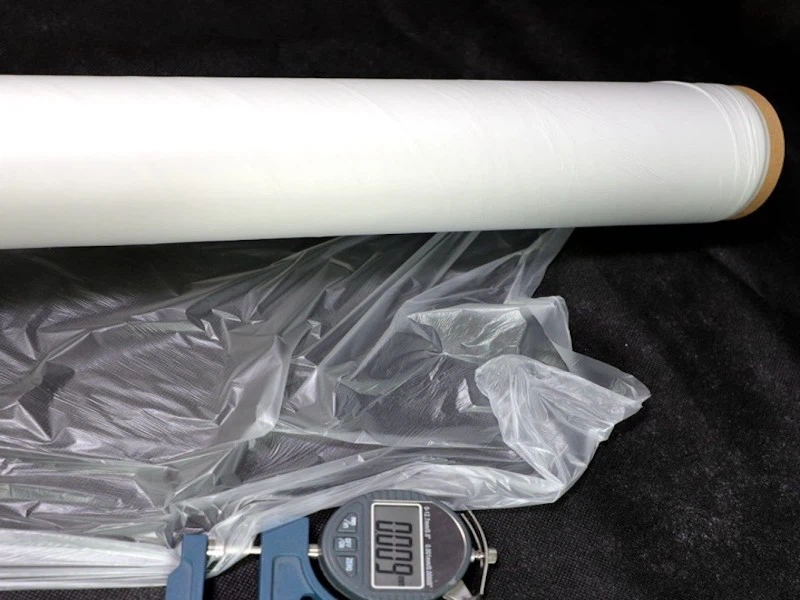
So, how does TPEE film's softness compare to other soft films? Well, it really depends on the specific type of film you're comparing it to. Let's take a look at some of the most common soft films and how they stack up against TPEE film.
Polyethylene (PE) Film
PE film is one of the most widely used soft films in the world. It's known for its low cost, good moisture resistance, and easy processing. However, when it comes to softness, PE film is not as soft as TPEE film. PE film has a relatively high stiffness and is not as flexible as TPEE film. This means that it may not be the best choice for applications where the film needs to be bent or stretched.
Polypropylene (PP) Film
PP film is another popular soft film that is commonly used in packaging applications. It's known for its high clarity, good chemical resistance, and low cost. Like PE film, PP film is not as soft as TPEE film. It has a relatively high stiffness and is not as flexible as TPEE film. This means that it may not be the best choice for applications where the film needs to be bent or stretched.
Polyvinyl Chloride (PVC) Film
PVC film is a versatile soft film that is used in a wide range of applications, from packaging to automotive interiors. It's known for its good chemical resistance, high clarity, and low cost. However, PVC film is not as soft as TPEE film. It has a relatively high stiffness and is not as flexible as TPEE film. This means that it may not be the best choice for applications where the film needs to be bent or stretched.
Silicone Film
Silicone film is a high-performance soft film that is used in a variety of applications, from medical devices to electronics. It's known for its excellent heat resistance, chemical resistance, and flexibility. Silicone film is softer than PE, PP, and PVC films, but it's still not as soft as TPEE film. TPEE film has a lower modulus of elasticity, which means that it can be stretched more easily and has a softer feel.
TPEE Film
As I mentioned earlier, TPEE film is known for its high elasticity, excellent chemical resistance, and good mechanical properties. It's also very soft and flexible, making it a great choice for applications where the film needs to be bent or stretched. TPEE film has a lower modulus of elasticity than other soft films, which means that it can be stretched more easily and has a softer feel.
In addition to its softness, TPEE film also has some other advantages over other soft films. For example, it has excellent heat resistance, which means that it can be used in applications where the film will be exposed to high temperatures. TPEE film also has good chemical resistance, which means that it can be used in applications where the film will be exposed to chemicals.
So, if you're looking for a soft film that is flexible, heat resistant, and chemically resistant, TPEE film is a great choice. And if you're interested in learning more about TPEE film or purchasing it, you can check out our website at TPEE Tpe Film. We also have information about TPEE Mylar Heat Resistance and TPEE Waterproof Breather Membrane on our website.
If you have any questions or would like to discuss your specific needs, please don't hesitate to contact us. We'd be happy to help you find the right TPEE film for your application.
References
- "Thermoplastic Polyester Elastomers (TPEE): Properties and Applications." Plastics Technology, 2021.
- "Comparison of Soft Films: TPEE vs. PE, PP, PVC, and Silicone." Polymer Science Journal, 2020.
- "TPEE Film: A Versatile Material for a Wide Range of Applications." Packaging World, 2019.


