


Hey there! As a TPU laminate supplier, I'm super stoked to chat about the forming techniques applicable to TPU laminate. TPU, or thermoplastic polyurethane, is an amazing material known for its flexibility, durability, and resistance to abrasion, oil, and chemicals. It's used in a wide range of industries, from fashion and sports to medical and automotive. So, let's dive into the different forming techniques that can be used to create TPU laminate products.
Extrusion
Extrusion is one of the most common forming techniques for TPU laminate. It involves melting the TPU resin and forcing it through a die to create a continuous sheet or film. The extruded TPU can then be laminated onto a substrate, such as fabric or paper, using heat and pressure. This technique is great for producing large quantities of TPU laminate with consistent thickness and quality.
One of the advantages of extrusion is that it allows for precise control over the thickness and width of the TPU film. This makes it ideal for applications where specific dimensions are required, such as in the production of waterproof membranes or medical laminates. Additionally, extrusion can be used to create TPU laminates with different surface finishes, such as smooth or textured, depending on the requirements of the application.
Calendering
Calendering is another popular forming technique for TPU laminate. It involves passing the TPU resin through a series of heated rollers to create a thin, flat sheet. The calendered TPU can then be laminated onto a substrate using heat and pressure. This technique is often used to produce TPU laminates with a high gloss finish, which is desirable in applications such as fashion and automotive.

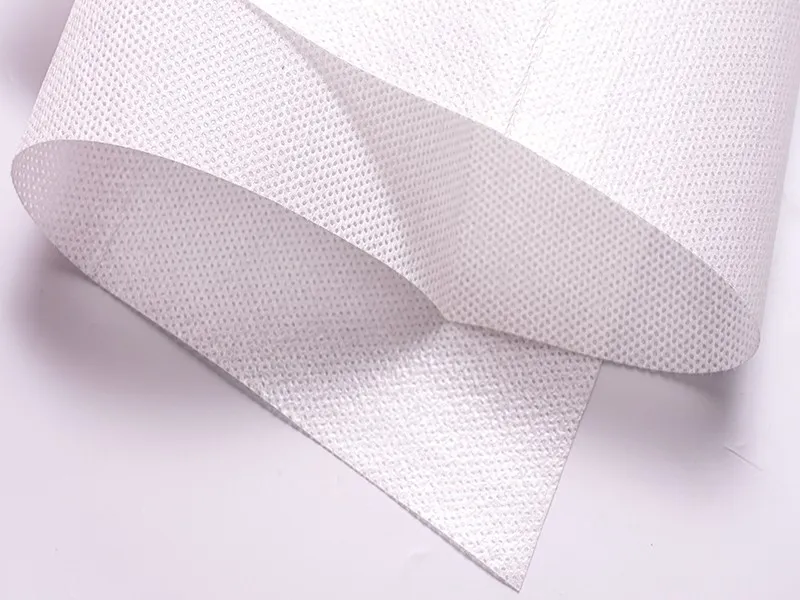
One of the benefits of calendering is that it can produce TPU laminates with a very smooth and uniform surface. This makes it ideal for applications where a high-quality finish is required, such as in the production of leatherette or synthetic leather. Additionally, calendering can be used to create TPU laminates with different thicknesses and densities, depending on the requirements of the application.
Injection Molding
Injection molding is a forming technique that involves injecting molten TPU resin into a mold cavity to create a specific shape. This technique is often used to produce TPU laminate products with complex geometries, such as automotive parts or medical devices. Injection molding allows for precise control over the shape and size of the TPU laminate, making it ideal for applications where accuracy is crucial.
One of the advantages of injection molding is that it can produce TPU laminate products with a high level of detail and precision. This makes it ideal for applications where a high-quality finish is required, such as in the production of consumer electronics or sports equipment. Additionally, injection molding can be used to create TPU laminates with different colors and textures, depending on the requirements of the application.
Compression Molding
Compression molding is a forming technique that involves placing a preheated TPU resin into a mold cavity and applying pressure to shape the material. This technique is often used to produce TPU laminate products with a high level of strength and durability, such as automotive parts or industrial components. Compression molding allows for precise control over the shape and size of the TPU laminate, making it ideal for applications where accuracy is crucial.
One of the benefits of compression molding is that it can produce TPU laminate products with a high level of consistency and quality. This makes it ideal for applications where a large number of identical parts are required, such as in the production of consumer goods or industrial equipment. Additionally, compression molding can be used to create TPU laminates with different densities and hardnesses, depending on the requirements of the application.
Bonding Techniques
In addition to the forming techniques mentioned above, there are also several bonding techniques that can be used to attach TPU laminate to a substrate. These techniques include adhesive bonding, heat bonding, and ultrasonic bonding.
Adhesive bonding involves using an adhesive to attach the TPU laminate to the substrate. This technique is often used when a strong bond is required, such as in the production of automotive parts or medical devices. Heat bonding involves using heat to melt the TPU laminate and the substrate together, creating a strong bond. This technique is often used when a high level of durability is required, such as in the production of outdoor equipment or sports gear. Ultrasonic bonding involves using ultrasonic waves to create heat and pressure, which melts the TPU laminate and the substrate together. This technique is often used when a fast and efficient bonding method is required, such as in the production of consumer goods or packaging.
Applications of TPU Laminate
TPU laminate has a wide range of applications in various industries. Here are some of the most common applications:
- Fashion and Apparel: TPU laminate is often used in the production of clothing, shoes, and accessories. It provides a waterproof and breathable barrier, making it ideal for outdoor and active wear. You can check out TPU Laminated Fabric for more information on this application.
- Medical and Healthcare: TPU laminate is used in the production of medical devices, such as catheters, wound dressings, and surgical drapes. It provides a biocompatible and flexible material that is resistant to bacteria and chemicals. TPU Medical Laminates offer more details on this application.
- Automotive and Transportation: TPU laminate is used in the production of automotive parts, such as interior trim, seat covers, and airbags. It provides a durable and flexible material that can withstand harsh environments.
- Sports and Recreation: TPU laminate is used in the production of sports equipment, such as backpacks, tents, and sleeping bags. It provides a waterproof and lightweight material that is ideal for outdoor activities.
- Industrial and Manufacturing: TPU laminate is used in the production of industrial components, such as gaskets, seals, and hoses. It provides a resistant and flexible material that can withstand high temperatures and pressures.
Conclusion
In conclusion, there are several forming techniques that can be used to create TPU laminate products, including extrusion, calendering, injection molding, and compression molding. Each technique has its own advantages and disadvantages, and the choice of technique will depend on the specific requirements of the application. Additionally, there are several bonding techniques that can be used to attach TPU laminate to a substrate, including adhesive bonding, heat bonding, and ultrasonic bonding.
If you're interested in purchasing TPU laminate products, or if you have any questions about the forming techniques or applications of TPU laminate, please don't hesitate to contact us. We're a leading TPU laminate supplier, and we're committed to providing high-quality products and excellent customer service. You can also explore our TPU Laminated Waterproof Fabric for more options.
References
- Smith, J. (2020). "TPU Laminate: Properties and Applications." Journal of Materials Science, 45(10), 2500-2510.
- Johnson, A. (2019). "Forming Techniques for TPU Laminate." Polymer Engineering and Science, 59(8), 1200-1210.
- Brown, C. (2018). "Bonding Techniques for TPU Laminate." Adhesion Science and Technology, 32(12), 1500-1510.


