


TPU (thermoplastic polyurethane) tubing are based on thermoplastic polyurethane, with special coatings applied to the inner and outer surfaces. They offer high strength, toughness, abrasion resistance, and corrosion resistance, making them widely used in the automotive, electronics, medical, and aviation industries.
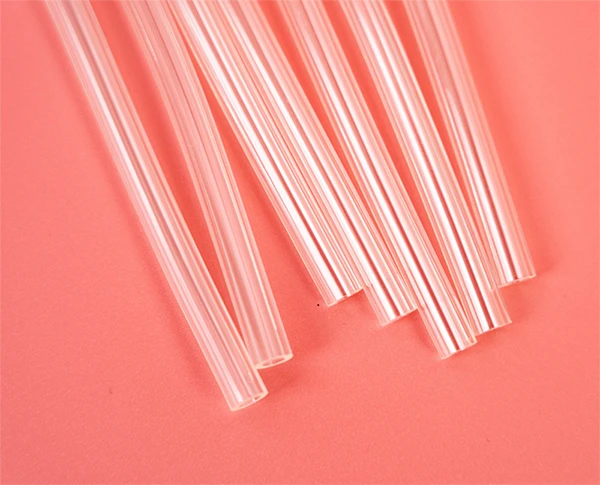
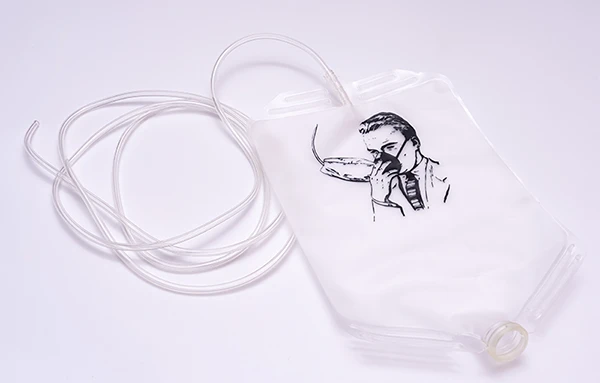
The base material of TPU tubing is mainly thermoplastic polyurethane, which is a polymer material with good elasticity and strength.In order to improve the wear resistance, corrosion resistance and UV resistance of TPU tubing, special materials are generally coated on the inner and outer layers of the tube.The structures of TPU tubing are divided into solid and hollow types. The solid structure is mainly used in situations requiring higher strength, while the hollow structure is suitable for situations requiring lightness and higher flexibility.
Excellent physical and mechanical properties
- TPU tubing has high elasticity and flexibility. TPU hose can withstand repeated bending, stretching and twisting, and is not prone to permanent deformation. It is suitable for complex spatial layouts (such as automobile engine compartment piping).
- TPU is tubing also has high strength and wear resistance, with a tensile strength of up to 70MPa and an elongation at break of up to 1000%. Its wear resistance is better than that of ordinary rubber and is suitable for high-wear scenarios such as mining slurry transportation.
Excellent chemical stability
TPU tubing is oil-resistant and corrosion-resistant, and has strong resistance to chemical media such as fuel oil, acid and alkali solutions, and is suitable for the chemical industry.TPU tubing is also hydrolysis-resistant. Polyether TPU has no obvious hydrolysis in 1-2 years in a humid environment and is suitable for outdoor irrigation systems.
Wide range of applicable environments
TPU tubing has a wide temperature resistance range and can work stably at -60℃~250℃. It does not soften at high temperatures and does not crack at low temperatures.TPU tubing is also resistant to aging and ozone, and its UV and weathering resistance are better than natural rubber, making it suitable for long-term outdoor use.
Safety and environmental features
TPU is tubing can meet food and medical grade, is non-toxic and odorless, and has passed international environmental certification. It can be used for blood transfusion tubes, food delivery tubes, etc.
Processing and cost advantages
It supports injection molding, extrusion, and other processes, and can be combined with other materials to enhance performance.Compared to metal or specialty rubber, TPU hoses are more competitive in terms of durability and maintenance costs.
TPE tube, TPU tube and PU tube
- TPE, or thermoplastic elastomer, combines many of the excellent properties of rubber, such as high elasticity, high strength, and high resilience. It is also injection moldable, making the processing process more convenient. Furthermore, TPE excels in environmental protection, being non-toxic and safe, with a wide range of hardness, excellent colorability, and a soft touch. More importantly, its weather resistance, fatigue resistance, and temperature resistance are all quite outstanding. In terms of processing, TPE demonstrates excellent performance, can be processed without vulcanization, and is recyclable, helping to reduce production costs. It can be coated and bonded with base materials such as PP, PE, PC, PS, and ABS, or it can be molded alone, providing technical engineers with a wealth of options.
- PU, or polyurethane, is a polymer material known as the "fifth plastic." Its outstanding performance has led to its widespread application in numerous fields, with PU steel hoses being a leader in the industrial sector. PU is also widely used in a variety of sectors, including light industry, chemicals, electronics, textiles, healthcare, and construction.
TPU, a key type of PU, is a thermoplastic polyurethane elastomer rubber. It comes in two main categories:
Polyester and polyether. It is favored for its wide hardness range, wear and oil resistance, high transparency, and excellent elasticity. Its halogen-free flame-retardant properties make it an ideal alternative to PVC in many environmentally friendly applications.


