


Artificial leather
Artificial leather is a type of imitation leather material made through chemical synthesis. It is mainly divided into three categories: PVC (polyvinyl chloride), PU (polyurethane), and microfiber leather.
PVC artificial leather
PVC artificial leather (polyvinyl chloride artificial leather) is a leather-like material made primarily from polyvinyl chloride resin through processes such as coating and calendering.
Advantages: Low cost, waterproof and wear-resistant, easy to process, suitable for mass production.
Disadvantages: Poor breathability, prone to cracking at low temperatures,and some products may contain non-environmentally friendly plasticizers.
Application Areas
Widely used in daily necessities and industrial fields.Examples include bags, shoe soles, furniture decorations, car interiors, waterproof packaging, and conveyor belts.
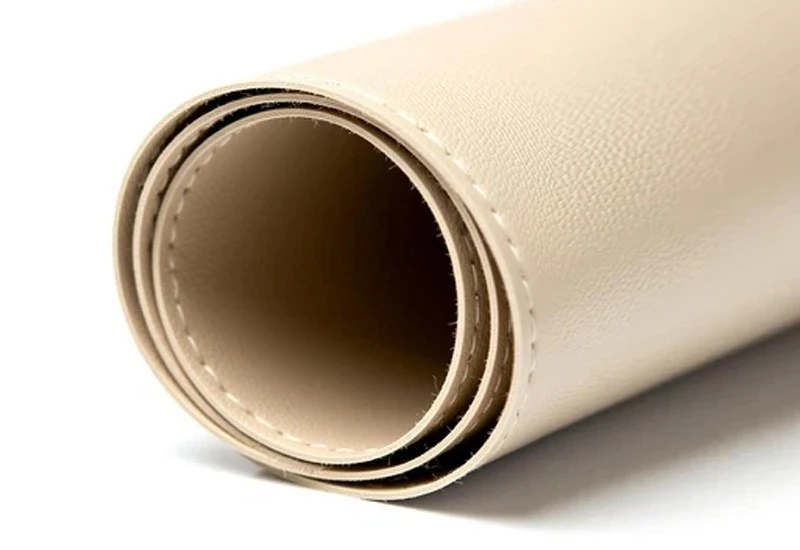
PU leather
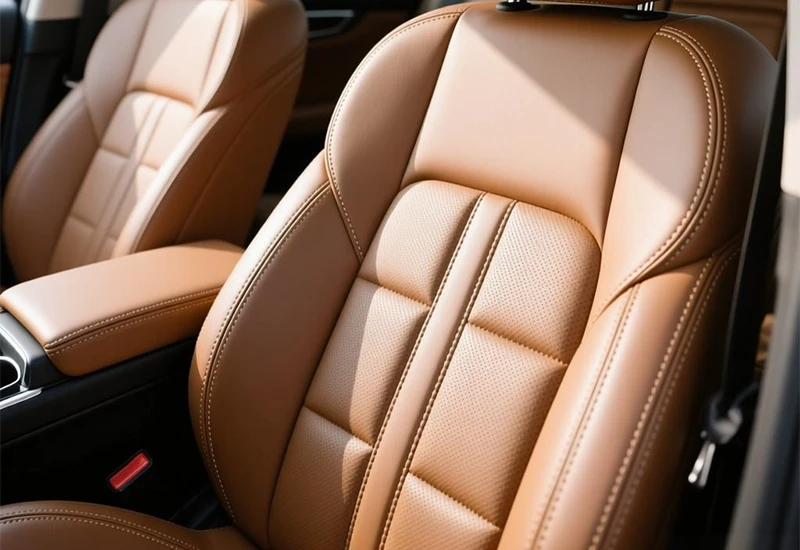
PU leather (polyurethane artificial leather) is a high-performance imitation leather material made primarily of polyurethane. It is processed through coating, lamination, or foaming, combining the texture of natural leather with the durability of synthetic materials.
Features:
Physical properties: It is resistant to bending, has high tensile strength, and is more breathable than PVC leather. Some high-end products have a feel close to genuine leather.
Environmental friendliness: Solvent-free processes (such as those used in Tungnerle leather) avoid toxic substances like DMF, meeting international environmental standards.
Application advantages: Lower cost than genuine leather, easy to shape and with a glossy surface, widely used in bags, automotive interiors, clothing and other fields.
Microfiber leather
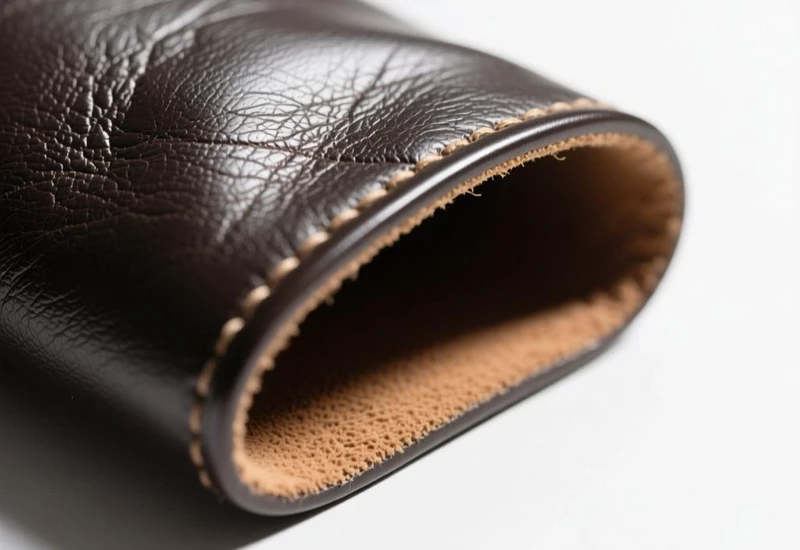
Microfiber leather (microfiber polyurethane synthetic leather) is a high-performance imitation leather material made from island-sea fiber nonwoven fabric as the base material, through polyurethane impregnation, fiber opening, and finishing processes. It is hailed as the third generation of artificial leather. Its three-dimensional mesh fiber structure simulates natural leather, with a tensile strength up to three times that of genuine leather, and also possesses properties such as abrasion resistance, cold resistance, and breathability.
Core Features:
Physical properties: Superior abrasion resistance compared to genuine leather; resistant to bending and tearing; and breathable and moisture-permeable properties close to natural leather.
Environmental friendliness: The production process reduces the use of animal leather, and some processes utilize water-based polyurethane, reducing pollution.
Application areas: Widely used in automotive interiors (seats, steering wheels), furniture, footwear, apparel, and electronic product covers.
Compared with PU leather
Microfiber leather has a base fabric made of ultra-fine fibers, with a structure closer to genuine leather; PU leather has a base fabric made of ordinary fabric, which is less durable.Microfiber leather is difficult to dye and has slightly lower shape retention than natural leather.


