


In modern wound care, Thermoplastic Polyurethane (TPU) films are widely utilized in transparent dressings, surgical drapes, and wound plasters. These films serve as a critical barrier against bacteria and liquid water while allowing the wound to breathe. The core metric for evaluating this breathability is the Moisture Vapor Transmission Rate (MVTR). But what specific MVTR level is required for wound dressing TPU films according to international standards?
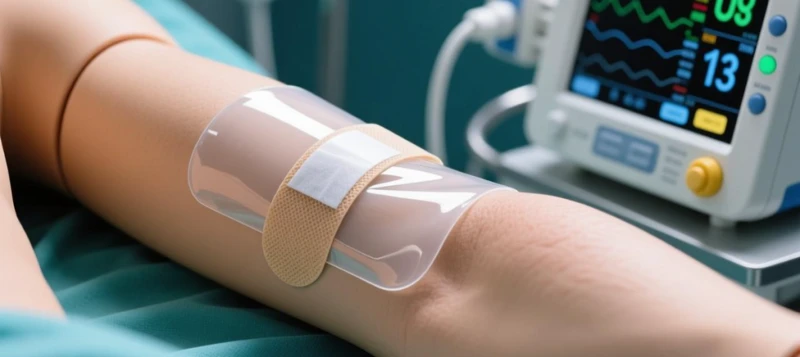
International Standards and Clinical Thresholds
- Unlike general apparel or packaging, medical wound dressings do not have a single, universally mandated MVTR number in international standards like ISO. Instead, international guidelines (such as YY/T 0471.2, which aligns with European EN 13726 testing methods) focus on ensuring the dressing prevents moisture accumulation under the film. The MVTR requirement is dictated by clinical needs and the physiological baseline of human skin.
- At normal body temperature (37°C), healthy human skin has an MVTR of approximately 240 to 1,800 g/m²/24h. Therefore, a wound dressing must at least match this range to prevent skin maceration (whitening and softening). Clinical research has identified that an MVTR of around 2,028 g/m²/24h is optimal for maintaining the ideal moisture balance required for epidermal cell proliferation and wound re-epithelialization.
Material Performance Benchmarks
- In the international medical device market, TPU film specifications are categorized by application:
- Standard Medical Drapes and Dressings: High-performance monolithic TPU films typically specify an MVTR exceeding 3,000 g/m²/24h (tested via ASTM E96) to ensure adequate breathability without compromising viral and bloodborne barrier performance.
- Advanced Wound Care: For highly exuding wounds or advanced film dressings, the MVTR requirement is significantly higher. Premium medical-grade TPU films often target an MVTR ranging from 6,000 to 30,000 g/m²/24h. Next-generation copolyester elastomers (TPC) can even achieve MVTRs as high as 45,000 g/m²/24h in ultra-thin 15µm films, drastically reducing the risk of periwound maceration.
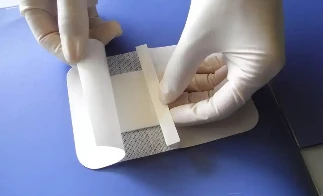
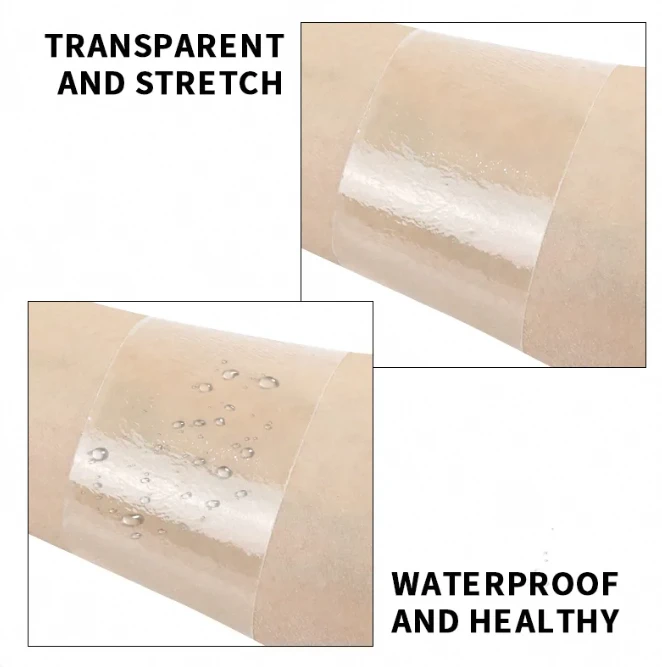
The Technical Challenge: Breathability vs. Barrier
Achieving high MVTR is a complex materials science challenge. TPU films must utilize either precise microporous structures or hydrophilic monolithic molecular chains to allow water vapor to escape while maintaining a high hydrostatic head to block liquid water and pathogens. Factors such as film thickness (typically 20-40 microns for medical drapes), soft-segment formulation, and manufacturing consistency directly impact this delicate balance.
Industry Support: Shanghai Xingen
Navigating the strict requirements of international medical standards requires precise material engineering. Shanghai Xingen is dedicated to providing high-quality TPU film solutions for the medical and protective materials sectors. By strictly controlling production parameters and optimizing formulations, Shanghai Xingen helps manufacturers achieve the ideal MVTR performance, ensuring their wound care products meet rigorous global standards for both breathability and patient safety.


