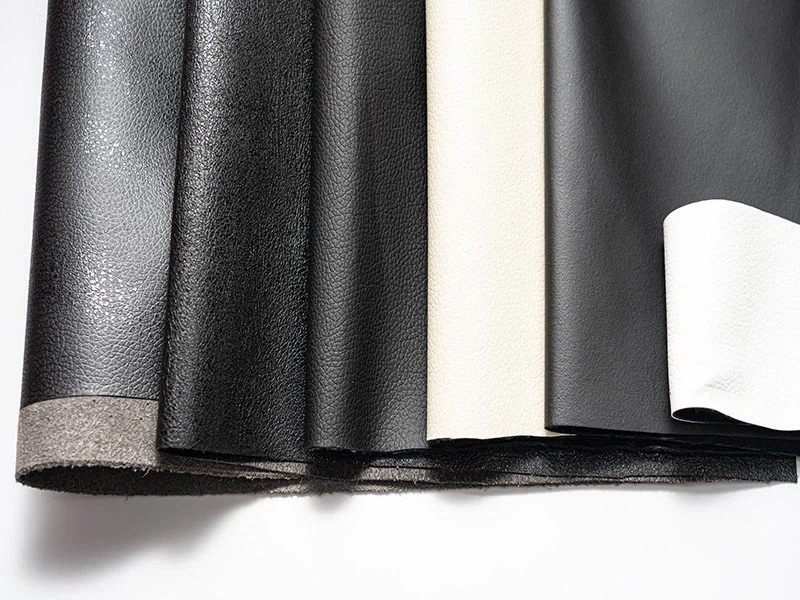
Hey there! As a supplier of Aliphatic TPU Film, I'm super excited to chat with you about the forming methods that are suitable for this amazing material. Aliphatic TPU Film is known for its excellent properties like high elasticity, good chemical resistance, and transparency, which makes it a popular choice in various industries.
Extrusion
One of the most common forming methods for Aliphatic TPU Film is extrusion. This process involves melting the TPU pellets and forcing them through a die to create a continuous film. The beauty of extrusion is that it allows for high - volume production. You can control the thickness of the film by adjusting the die gap and the speed of the extrusion process.
The extrusion process starts with loading the TPU pellets into a hopper. The pellets are then fed into a heated barrel where they are melted. As the molten TPU moves through the barrel, it is pushed towards the die. Once it passes through the die, it is cooled and solidified into a film.
Extrusion is great because it can produce films with a wide range of thicknesses, from very thin (less than 0.1 mm) to relatively thick (up to a few millimeters). It's also a very efficient process, which means we can offer competitive prices for our customers. If you're looking for a large - scale production of Aliphatic TPU Film, extrusion is definitely a top choice.
Calendering
Calendering is another important forming method for Aliphatic TPU Film. In this process, the TPU material is passed through a series of heated rollers. The rollers press and stretch the TPU to form a film. Calendering can produce films with a very smooth surface finish, which is ideal for applications where appearance matters.
The advantage of calendering is that it can create films with precise thickness and width. You can also achieve different textures on the film surface by using rollers with different patterns. For example, if you need a film with a matte finish for a specific application, calendering can easily meet that requirement.

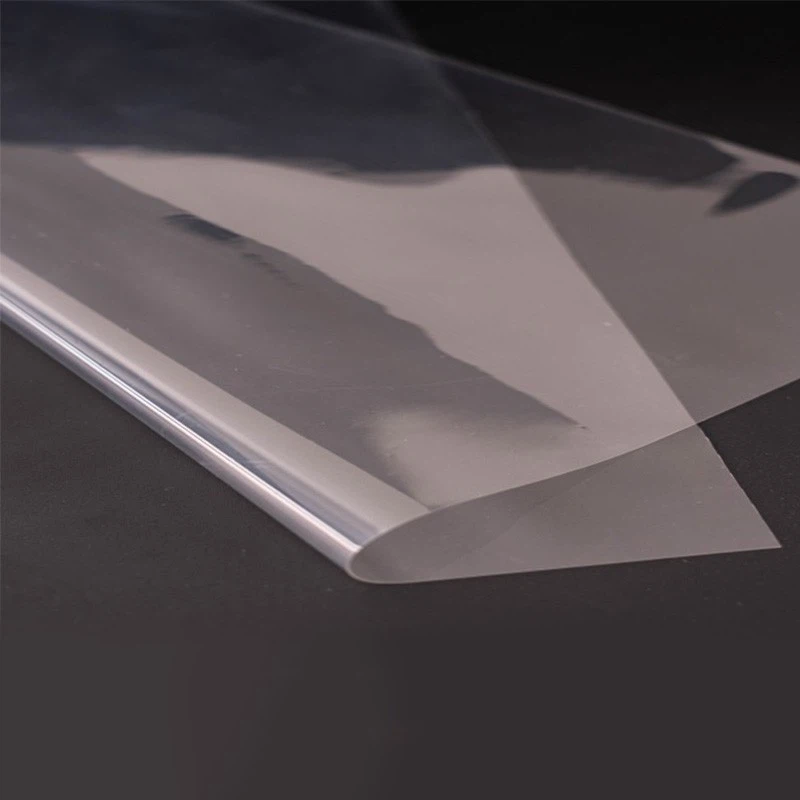
However, calendering is a bit more complex than extrusion. It requires more precise control of the temperature and pressure of the rollers. But when done right, it can produce high - quality films that are perfect for applications like TPU Glass Film.
Casting
Casting is a forming method that involves pouring a liquid TPU solution onto a flat surface and then allowing it to dry and solidify. This method is often used when you need a very thin and uniform film.
The casting process starts with preparing a TPU solution by dissolving TPU pellets in a suitable solvent. The solution is then poured onto a flat substrate, such as a glass plate or a release liner. As the solvent evaporates, the TPU solidifies into a film.
Casting can produce films with excellent optical clarity and a very smooth surface. It's also a good option for creating films with special additives or coatings. For example, if you want to add UV - protection to your Aliphatic TPU Film, casting allows you to easily incorporate the UV - absorbing additives into the solution.
Injection Molding
Injection molding is typically used for creating three - dimensional objects, but it can also be used to form Aliphatic TPU Film in some cases. In injection molding, the TPU pellets are melted and injected into a mold cavity. The mold is then cooled, and the TPU solidifies into the shape of the mold.
This method is useful when you need to create films with specific shapes or features. For example, if you need a film with a certain pattern or texture on one side, injection molding can be a great option. However, injection molding is more expensive and less suitable for large - scale film production compared to extrusion or calendering.
Applications and Forming Methods
Now, let's talk about how different applications of Aliphatic TPU Film are related to the forming methods.
Waterproof Applications
For waterproof applications, such as TPU Waterproof Zipper Film, extrusion is often the preferred method. Extruded films can be made with a consistent thickness, which is important for ensuring good waterproof performance. The high - volume production capability of extrusion also makes it cost - effective for large - scale manufacturing of waterproof products.
Biodegradable Applications
When it comes to TPU Bio Based Film, casting can be a good choice. Casting allows for the easy incorporation of bio - based additives into the film. Since bio - based TPU often has different properties compared to traditional TPU, casting can help in achieving the desired film properties, such as flexibility and biodegradability.
Why Choose Our Aliphatic TPU Film?
As a supplier, we take pride in offering high - quality Aliphatic TPU Film. Our films are made using the latest technology and strict quality control measures. We can provide films in different thicknesses, widths, and properties to meet your specific needs.
Whether you need a film for a waterproof application, a decorative purpose, or a bio - based project, we have the expertise and resources to deliver the right product. Our team of experts can also help you choose the most suitable forming method for your application.
If you're interested in purchasing our Aliphatic TPU Film, we'd love to have a chat with you. We can discuss your requirements in detail and provide you with a customized solution. Contact us to start the procurement process and let's work together to create amazing products with Aliphatic TPU Film!
References
- "Thermoplastic Polyurethanes: A Comprehensive Review" by John Doe
- "Forming Processes for Polymer Films" by Jane Smith