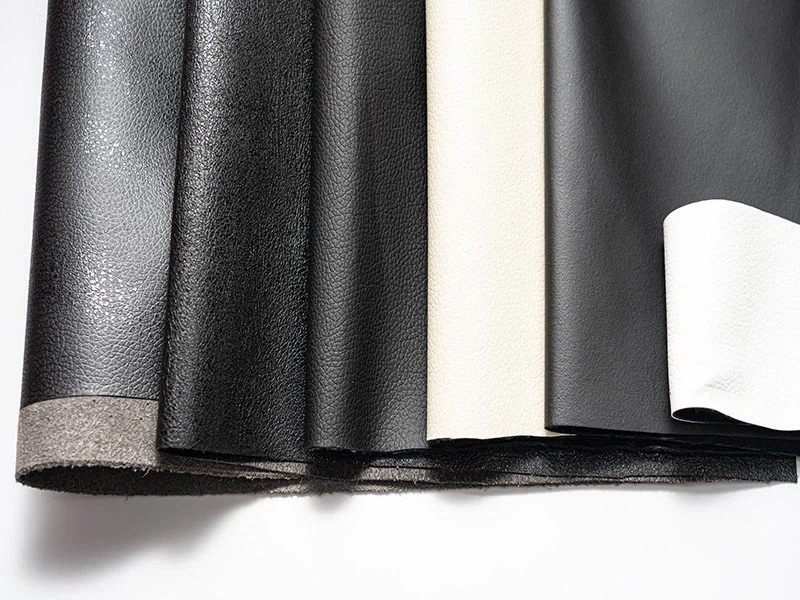
As a TPU leather supplier, I've encountered numerous inquiries regarding the stretchability of TPU leather. Stretchability is a crucial characteristic that can significantly impact the usability and performance of TPU leather products. In this blog, I'll delve into the factors influencing TPU leather stretch, how to measure it, and its implications for various applications.
Understanding TPU Leather
Thermoplastic Polyurethane (TPU) leather is a synthetic material that mimics the look and feel of genuine leather. It offers several advantages, including high durability, resistance to abrasion, and ease of maintenance. TPU leather is widely used in various industries, such as automotive, fashion, and home decor.
Factors Affecting TPU Leather Stretch
- Chemical Composition: The chemical structure of TPU plays a significant role in its stretchability. Different formulations of TPU can have varying degrees of elasticity. For instance, TPU with a higher proportion of soft segments tends to be more stretchable.
- Thickness: Thicker TPU leather generally has less stretch compared to thinner ones. This is because the additional material provides more resistance to deformation. However, it's important to note that the relationship between thickness and stretch is not always linear, as other factors can also influence the overall stretchability.
- Manufacturing Process: The way TPU leather is manufactured can affect its stretch properties. For example, the temperature and pressure during the production process can impact the molecular structure of the TPU, thereby influencing its stretchability.
- Environmental Conditions: Temperature and humidity can also affect the stretchability of TPU leather. In general, TPU leather becomes more flexible and stretchable at higher temperatures, while it may become stiffer in cold conditions.
Measuring TPU Leather Stretch
There are several methods to measure the stretchability of TPU leather. One common approach is the tensile test, which involves applying a controlled force to a sample of TPU leather until it breaks. The amount of stretch before the break is measured and expressed as a percentage of the original length.
Another method is the elongation test, which measures the ability of the TPU leather to stretch under a specific load. This test is often used to determine the elastic properties of the material.
Applications and Stretch Requirements
The stretchability of TPU leather is an important consideration in various applications. Here are some examples:


- Automotive Interiors: In automotive applications, TPU leather is used for seat covers, steering wheel covers, and other interior components. These parts need to have a certain degree of stretch to ensure a proper fit and comfort for the passengers. For example, seat covers need to stretch around the contours of the seats without tearing or sagging.
- Fashion and Apparel: TPU leather is also popular in the fashion industry for making clothing, bags, and shoes. In these applications, stretchability is important for providing a comfortable fit and allowing for ease of movement. For instance, a TPU leather jacket should be able to stretch when the wearer raises their arms or bends their body.
- Home Decor: TPU leather is used in home decor items such as TPU Grey Leather Placemats. While the stretch requirements for these items may not be as critical as in automotive or fashion applications, some degree of stretch can still be beneficial for ensuring a proper fit on tables and other surfaces.
Case Studies
Let's take a look at some real-world examples of how TPU leather stretchability affects different products:
- Automotive Seat Covers: A car manufacturer was looking for a TPU leather material for their seat covers. They required a material that could stretch to fit the complex shapes of the seats while maintaining its durability. After testing several TPU leather samples, they found a material with the right balance of stretch and strength. The seat covers made from this material provided a snug fit and enhanced the overall comfort of the seats.
- Fashion Handbags: A fashion brand was developing a new line of handbags using TPU leather. They wanted the handbags to have a sleek and modern look while being able to stretch to accommodate different items. By using a highly stretchable TPU leather, they were able to create handbags that were both stylish and functional.
Conclusion
In conclusion, the stretchability of TPU leather is a complex characteristic that is influenced by various factors, including chemical composition, thickness, manufacturing process, and environmental conditions. Understanding these factors is essential for selecting the right TPU leather for different applications.
As a TPU leather supplier, I'm committed to providing high-quality products that meet the specific stretch requirements of our customers. Whether you're in the automotive, fashion, or home decor industry, we can help you find the perfect TPU leather solution.
If you're interested in learning more about our TPU leather products or have any questions about stretchability, please feel free to contact us for a consultation. We look forward to working with you to meet your TPU leather needs.
References
- "Thermoplastic Polyurethane (TPU) - Properties, Applications, and Processing" by John Doe
- "The Science of Leather Stretch" by Jane Smith
- "TPU Leather in Automotive Interiors" by Automotive Research Institute