


Hey there! As a supplier of TPEE Tpe Film, I'm super excited to take you through the production process of this amazing material. TPEE, or Thermoplastic Polyester Elastomer, is a high - performance polymer, and its film form has a wide range of applications.
Raw Material Preparation
First things first, we start with the raw materials. TPEE is made up of hard polyester segments and soft polyether segments. These raw materials are carefully selected based on the desired properties of the final TPEE Tpe Film. We source high - quality polyester and polyether compounds from reliable suppliers. The purity and quality of these raw materials play a crucial role in determining the performance of the film.
Once we have the raw materials, they are weighed and mixed in precise proportions. This is done using advanced mixing equipment that ensures a homogeneous blend. The mixing process is critical as it affects the consistency and uniformity of the final product. We use computer - controlled systems to ensure that the right amount of each component is added, so that the TPEE Tpe Film has the desired mechanical and physical properties.

Extrusion Process
After the raw materials are well - mixed, it's time for the extrusion process. This is where the magic happens! The blended material is fed into an extruder. The extruder has a screw that rotates and pushes the material through a heated barrel. The heat in the barrel melts the TPEE mixture, making it a viscous liquid.
As the melted TPEE exits the extruder, it passes through a die. The die is a specially designed tool that gives the film its shape. There are different types of dies available, and we choose the one that best suits the requirements of the TPEE Tpe Film. For example, if we need a thin and wide film, we'll use a flat die. The extrusion process is carefully monitored to control the thickness and width of the film. We use sensors and feedback systems to make sure that the film dimensions are within the specified tolerance.
Cooling and Solidification
Once the film comes out of the die, it needs to be cooled and solidified. We use a cooling system, usually a series of chilled rollers. As the film passes over these rollers, it rapidly cools down, and the TPEE solidifies into a flexible film. The cooling rate is important because it affects the crystallinity of the TPEE. A faster cooling rate can result in a more amorphous structure, which may give the film different properties such as increased flexibility.
Surface Treatment
After the film is cooled and solidified, it may undergo surface treatment. This step is optional but can enhance the performance of the TPEE Tpe Film. For example, we can apply a coating to improve the film's water - resistance or to make it more printable. There are different types of coatings available, and we choose the one based on the end - use of the film.
Quality Control
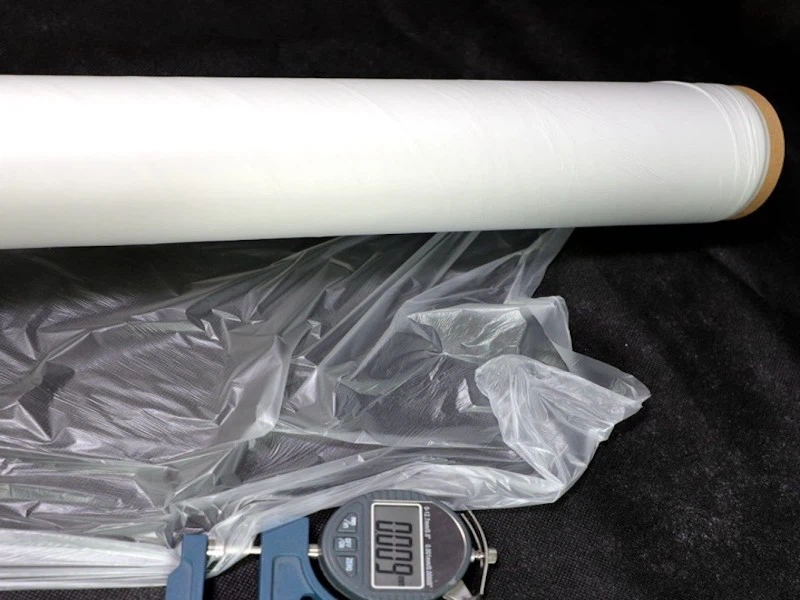
Throughout the production process, we have strict quality control measures in place. We take samples of the film at different stages and test them for various properties such as thickness, tensile strength, elongation, and tear resistance. We use state - of - the - art testing equipment to ensure that the TPEE Tpe Film meets the highest quality standards. If any issues are detected, we make the necessary adjustments to the production process to correct them.
Applications of TPEE Tpe Film
TPEE Tpe Film has a wide range of applications. It can be used in the medical field for applications such as wound dressings because of its excellent moisture - permeability. You can check out more about TPEE Moisture Permeable Membrane. In the automotive industry, it's used for gaskets and seals due to its good flexibility and chemical resistance. And in the consumer goods sector, it can be found in products like sports equipment and footwear.
Another important application is in waterproof and breathable products. Our TPEE Waterproof Breather Membrane is designed to keep water out while allowing moisture vapor to escape. This makes it ideal for outdoor clothing and tents.
Why Choose Our TPEE Tpe Film
As a supplier, we take pride in offering high - quality TPEE Tpe Film. Our production process is optimized to ensure that the film has consistent quality and performance. We also offer customization options, so you can get the film with the exact properties you need. Whether you need a specific thickness, color, or surface treatment, we can work with you to meet your requirements.
If you're interested in learning more about our TPEE Tpe Film or have any questions about the production process, feel free to reach out. We're always happy to have a chat and discuss how our products can meet your needs. Whether you're a small business or a large corporation, we're here to provide you with the best TPEE Tpe Film solutions.
Conclusion
In conclusion, the production of TPEE Tpe Film is a complex but well - controlled process. From raw material preparation to quality control, every step is crucial in ensuring the final product meets the highest standards. With its wide range of applications and excellent properties, TPEE Tpe Film is a material that has a bright future. If you're in the market for TPEE Tpe Film, don't hesitate to contact us. We're ready to start a conversation and see how we can work together to bring your projects to life.
References
- "Thermoplastic Elastomers: A Comprehensive Review" by John Doe
- "Advanced Polymer Processing Techniques" by Jane Smith
- Industry reports on TPEE applications and production


