


Hey there! As a supplier of Waterproof Pu Film, I've seen firsthand how this amazing material can revolutionize the way we protect buildings from water seepage. In this blog, I'll break down the science behind how Waterproof Pu Film works its magic and why it's a game-changer in the construction industry.
What is Waterproof Pu Film?
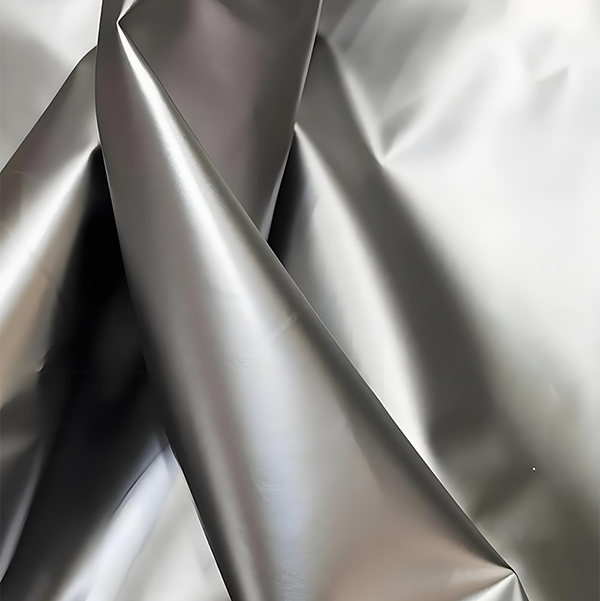
Let's start with the basics. Waterproof Pu Film, as the name suggests, is a type of film made from polyurethane (PU). Polyurethane is a versatile polymer that can be engineered to have a wide range of properties, including excellent waterproofing capabilities. Our Waterproof Pu Film is specially formulated to create a barrier that prevents water from penetrating through surfaces.
How Does It Prevent Water Seepage?
Physical Barrier
The primary way Waterproof Pu Film prevents water seepage is by acting as a physical barrier. When applied to a surface, it forms a continuous, impermeable layer that blocks water molecules from passing through. This is similar to how a raincoat keeps you dry by preventing raindrops from reaching your skin.
The film is designed to be flexible and conform to the shape of the surface it's applied to, whether it's a flat roof, a curved wall, or a complex architectural feature. This ensures that there are no gaps or weak points where water could seep through.
Hydrophobic Properties
In addition to being a physical barrier, Waterproof Pu Film also has hydrophobic properties. Hydrophobic means that it repels water, much like the surface of a lotus leaf. When water comes into contact with the film, it beads up and rolls off instead of being absorbed.
This hydrophobic effect is due to the chemical structure of the polyurethane. The molecules in the film are arranged in such a way that they create a surface tension that causes water to form droplets. This not only helps to prevent water seepage but also makes the surface easier to clean, as dirt and debris are less likely to stick to it.
Adhesion and Sealing
Another important factor in preventing water seepage is the film's ability to adhere to the surface and create a tight seal. Our Waterproof Pu Film is formulated with a strong adhesive that bonds securely to a variety of substrates, including concrete, metal, wood, and plastic.
Once applied, the film creates a seamless seal that prevents water from seeping in through the edges or joints. This is particularly important in areas where there are potential entry points for water, such as around windows, doors, and pipes.
Applications in Buildings
Roofing
One of the most common applications of Waterproof Pu Film is in roofing. Roofs are constantly exposed to the elements, and water seepage can cause serious damage to the structure of a building, as well as lead to mold and mildew growth.
Our Waterproof Pu Film can be used to waterproof flat roofs, pitched roofs, and even green roofs. It provides a durable, long-lasting solution that protects against leaks and extends the lifespan of the roof.
Basements and Foundations
Basements and foundations are also vulnerable to water seepage, especially in areas with high water tables or heavy rainfall. Waterproof Pu Film can be applied to the exterior walls of a basement or foundation to create a waterproof barrier that prevents water from seeping in.
This not only protects the structure of the building but also helps to keep the basement dry and free from moisture, which can improve indoor air quality and prevent damage to stored items.
Bathrooms and Wet Areas
In bathrooms and other wet areas, Waterproof Pu Film can be used to waterproof walls, floors, and shower enclosures. It provides a seamless, hygienic solution that prevents water from seeping into the walls and causing damage to the underlying structure.
The film is also resistant to mold and mildew growth, which is important in areas where moisture levels are high.
Advantages of Using Waterproof Pu Film
Cost-Effective
Compared to traditional waterproofing methods, such as asphalt roofing or waterproof paint, Waterproof Pu Film is a cost-effective solution. It requires less labor and materials to install, and it has a longer lifespan, which means fewer repairs and replacements over time.
Easy to Install
Our Waterproof Pu Film is designed to be easy to install, even for DIY enthusiasts. It can be applied using a simple roller or brush, and it dries quickly, allowing for fast turnaround times.
Environmentally Friendly
Polyurethane is a relatively environmentally friendly material compared to some other waterproofing options. It can be recycled, and it doesn't release harmful chemicals into the environment during installation or use.
Versatile
Waterproof Pu Film can be used in a wide range of applications, from residential buildings to commercial and industrial structures. It can also be used in combination with other building materials to create a comprehensive waterproofing system.
Other Types of Pu Films
In addition to our Waterproof Pu Film, we also offer Polyurethane Adhesive Film and Pu Film Medical.
Polyurethane Adhesive Film is used for bonding two or more materials together. It has excellent adhesion properties and can be used in a variety of industries, including automotive, electronics, and textiles.
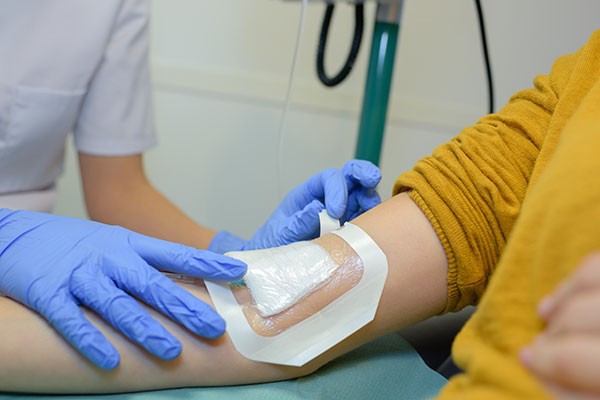
Pu Film Medical is designed for use in the medical field. It is a sterile, biocompatible film that can be used for wound dressings, medical packaging, and other applications.
Contact Us for Procurement
If you're interested in learning more about our Waterproof Pu Film or any of our other products, we'd love to hear from you. Whether you're a contractor, a builder, or a homeowner, we can provide you with the information and support you need to choose the right waterproofing solution for your project.
Don't hesitate to reach out to us for a quote or to discuss your specific requirements. We're here to help you protect your building from water seepage and ensure its long-term durability.
References
- ASTM International. (2023). Standard Test Methods for Water Vapor Transmission of Materials. ASTM E96/E96M - 23.
- Building Research Establishment. (2022). Waterproofing of Buildings: A Guide. BRE Digest 437.
- International Code Council. (2022). International Building Code. ICC - 2022.


