


When it comes to adhesive tapes, two common types that often come to mind are TPU tape and duct tape. As a TPU tape supplier, I have had the opportunity to closely examine the characteristics and applications of both, and I'm excited to share my insights on how TPU tape compares to duct tape.
Composition and Material Properties
Duct tape is typically made of a fabric backing, usually cotton or a polyester - cotton blend, coated with a strong adhesive. The fabric gives it strength and flexibility, while the adhesive provides a firm hold. It is known for its durability and ability to withstand various environmental conditions.
On the other hand, TPU (Thermoplastic Polyurethane) tape is made from a thermoplastic elastomer. TPU is a versatile material that combines the properties of rubber and plastic. It is highly elastic, resistant to abrasion, and has excellent chemical resistance. The elasticity of TPU tape allows it to stretch and return to its original shape, making it suitable for applications where flexibility is crucial.
Adhesive Strength
Duct tape is famous for its strong adhesive. It can stick to a wide range of surfaces, including wood, metal, plastic, and even some fabrics. The adhesive on duct tape is designed to provide a long - lasting bond, and it can hold up well under normal use. However, in some cases, the adhesive on duct tape may leave a residue when removed, especially if it has been on the surface for a long time.
TPU tape also has a strong adhesive, but its performance can vary depending on the specific type of TPU and the adhesive formulation. TPU tape is often used in applications where a clean removal is required, as it generally leaves little to no residue. The adhesive on TPU tape is engineered to provide a reliable bond while still allowing for easy removal when necessary. For example, TPU Elastic Tape is designed with an adhesive that can adhere well to different materials while maintaining its performance over time.
Versatility of Applications
Duct tape is extremely versatile and has a wide range of applications. It is commonly used in household repairs, such as fixing leaky pipes, mending torn items, and securing loose objects. In industrial settings, duct tape can be used for temporary repairs, bundling cables, and protecting surfaces. It is also popular in the automotive industry for quick fixes and for holding components together.
TPU tape, on the other hand, has its own set of unique applications. Due to its elasticity and chemical resistance, it is widely used in the medical field, for example, as TPU Tape for Face Mask. It is also used in the textile industry for applications such as elastic waistbands and cuffs. In addition, TPU tape can be used in electronics for cable management and insulation, as its flexibility allows it to conform to different shapes. TPU Clear Elastic Tape is often used in applications where transparency is required, such as in packaging or display cases.
Durability and Long - Term Performance
Duct tape is known for its durability. It can withstand exposure to sunlight, moisture, and temperature changes. However, over time, the adhesive may degrade, especially in harsh environments. The fabric backing of duct tape may also fray or tear if subjected to excessive stress.
TPU tape, with its high - quality TPU material, offers excellent durability. It is resistant to UV radiation, which means it can maintain its properties even when exposed to sunlight for long periods. The elasticity of TPU tape also allows it to absorb shock and stress, reducing the risk of damage. In addition, TPU tape is less likely to crack or break compared to duct tape, especially in applications where flexibility is required.
Aesthetics
Duct tape is available in a variety of colors, but it generally has a more industrial - looking appearance. It is often used in situations where functionality is more important than aesthetics.

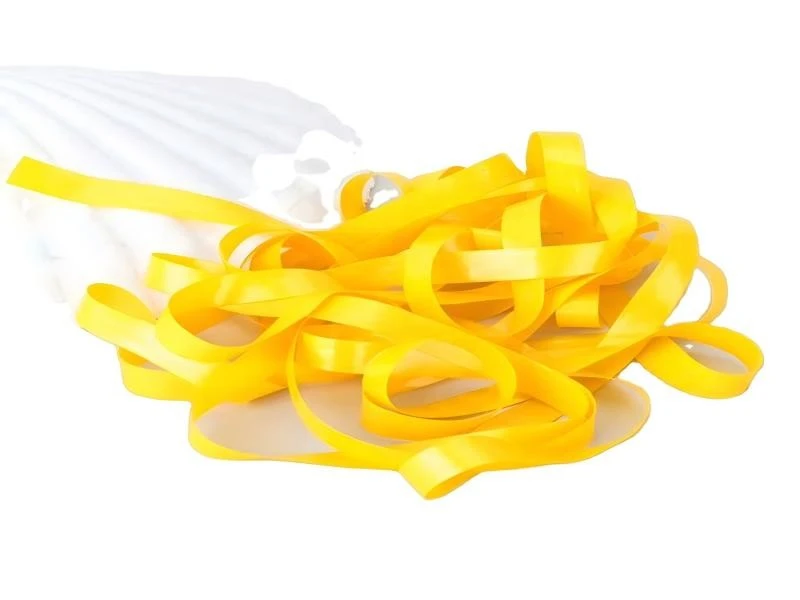
TPU tape, on the other hand, can be more aesthetically pleasing. The clear TPU tape, for example, provides a clean and professional look. It can be used in applications where a transparent or discreet appearance is desired, such as in display cases or on products where the tape should not be obtrusive.
Cost - Effectiveness
The cost of duct tape is relatively low, making it a popular choice for many consumers. It is widely available in hardware stores and can be purchased in large rolls at an affordable price.
TPU tape, however, may be more expensive than duct tape. The cost of TPU tape is influenced by factors such as the quality of the TPU material, the adhesive used, and the manufacturing process. However, in applications where the unique properties of TPU tape are required, such as in medical or high - performance applications, the higher cost may be justified.
Environmental Considerations
Duct tape is often made from non - biodegradable materials, which can have a negative impact on the environment. The fabric backing and adhesive may take a long time to break down in landfills.
TPU, on the other hand, is a more environmentally friendly option in some cases. Some TPU materials are recyclable, and the production process of TPU tape can be designed to be more sustainable. As the demand for eco - friendly products increases, TPU tape may become a more attractive choice for consumers who are concerned about the environment.
In conclusion, both TPU tape and duct tape have their own advantages and disadvantages. Duct tape is a reliable and cost - effective option for general - purpose applications, while TPU tape offers unique properties such as elasticity, chemical resistance, and a clean appearance. If you are looking for a tape for a specific application, it is important to consider the requirements of the project, such as the surface to be bonded, the environmental conditions, and the desired aesthetics.
If you are interested in learning more about our TPU tape products or are considering a purchase, we welcome you to contact us for a detailed discussion. Our team of experts can provide you with more information on the different types of TPU tape available and help you choose the best product for your needs.
References
- "Handbook of Thermoplastic Elastomers" by B. M. Walker and C. P. Rader
- "Adhesive Technology Handbook" by John D. Minford


