


Hey there! I'm a supplier of TPU Film Lamination, and today I wanna chat about how TPU Film Lamination stacks up against PVC film lamination.
1. What are TPU and PVC Film Laminations?
First off, let's get a basic understanding of what these two types of lamination are. TPU, or Thermoplastic Polyurethane, is a flexible and durable material. TPU Film Lamination involves bonding a TPU film to a substrate, like fabric. This process creates a material that's not only strong but also has great elasticity. You can check out more about TPU Laminated Fabric on our website.
On the other hand, PVC, or Polyvinyl Chloride, has been around for a long time. PVC film lamination is similar to TPU in that it bonds a PVC film to a substrate. PVC is known for being relatively inexpensive and having good chemical resistance.
2. Performance Comparison
Durability
When it comes to durability, TPU takes the lead. TPU film is highly resistant to abrasion, cuts, and punctures. This makes it ideal for applications where the material will be subjected to a lot of wear and tear, like in outdoor gear or industrial uses. For example, TPU Laminated Waterproof Fabric can withstand rough handling and still maintain its integrity.
PVC, while durable in its own right, is more prone to cracking and breaking over time, especially in cold temperatures. This limits its use in certain environments.
Flexibility
TPU is extremely flexible. It can stretch and bend without losing its shape or performance. This flexibility makes it a great choice for applications where movement is required, such as in sportswear or medical devices.
PVC, on the other hand, is less flexible. It can become stiff and brittle, especially when exposed to low temperatures. This can make it uncomfortable to wear or use in applications where flexibility is crucial.
Chemical Resistance
Both TPU and PVC have good chemical resistance, but TPU has an edge in this area. TPU is resistant to a wider range of chemicals, including oils, greases, and solvents. This makes it suitable for use in industrial settings where exposure to chemicals is common.
PVC is also resistant to many chemicals, but it may not be as effective as TPU in some cases. For example, PVC can be affected by certain solvents, which can cause it to swell or degrade.
Environmental Impact
In today's world, environmental impact is a big concern. TPU is considered to be a more environmentally friendly option compared to PVC. TPU is recyclable, and it doesn't contain harmful chemicals like phthalates, which are often found in PVC.
PVC, on the other hand, is made from chlorine, which can be harmful to the environment. Additionally, the production of PVC involves the use of toxic chemicals, and it can release harmful substances when burned.
3. Cost Comparison
When it comes to cost, PVC is generally cheaper than TPU. This is because PVC is a more widely used and mass-produced material. However, the cost of TPU has been decreasing in recent years, making it more competitive.
It's important to consider the long-term cost when choosing between TPU and PVC. While TPU may be more expensive upfront, its durability and performance can save you money in the long run. For example, if you're using the material for outdoor gear, TPU's resistance to wear and tear means you won't have to replace it as often as PVC.
4. Applications
TPU Film Lamination has a wide range of applications. It's commonly used in the production of sportswear, outdoor gear, medical devices, and automotive interiors. The flexibility and durability of TPU make it suitable for these applications. You can learn more about TPU Film Lamination and its applications on our website.
PVC film lamination is also used in many applications, such as in signage, packaging, and flooring. However, its limitations in terms of flexibility and environmental impact may restrict its use in some areas.
5. Conclusion
In conclusion, TPU Film Lamination offers several advantages over PVC film lamination. It's more durable, flexible, and environmentally friendly. While PVC may be cheaper upfront, the long-term benefits of TPU make it a better choice for many applications.

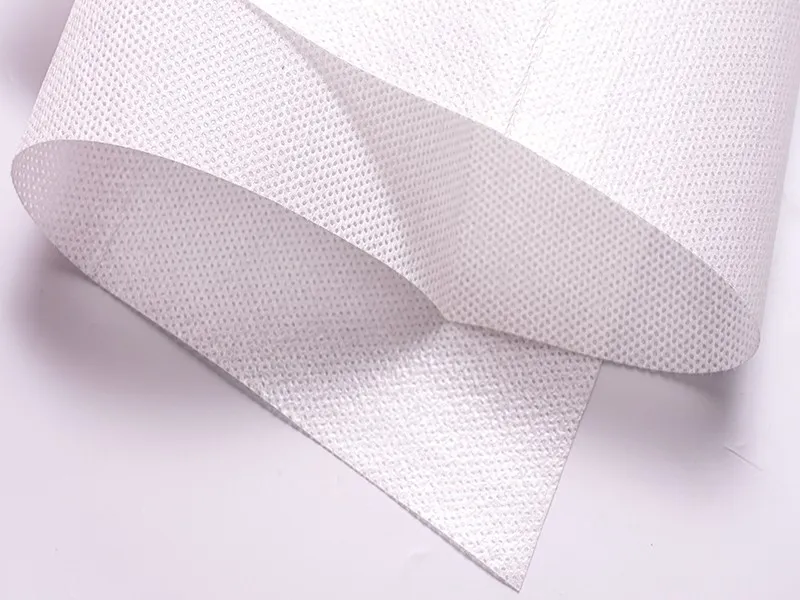
If you're interested in learning more about TPU Film Lamination or are looking to purchase our products, don't hesitate to get in touch. We're here to help you find the right solution for your needs. Whether you're in the sportswear industry, the outdoor gear market, or any other field that requires high-quality laminated materials, we've got you covered.
References
- "Thermoplastic Polyurethane (TPU) - Properties, Applications, and Processing." Plastics Technology.
- "Polyvinyl Chloride (PVC) - A Comprehensive Overview." Chemical Engineering Journal.


