


Can TPU Laminated Fabric be used in aerospace applications?
As a supplier of TPU Laminated Fabric, I've often been asked about the potential applications of our product, especially in the aerospace industry. This blog post aims to explore whether TPU laminated fabric can indeed be used in aerospace applications, considering its properties, advantages, and possible limitations.
Understanding TPU Laminated Fabric
TPU, or thermoplastic polyurethane, is a versatile polymer known for its excellent mechanical properties, such as high abrasion resistance, flexibility, and chemical resistance. When TPU is laminated onto a fabric, it creates a composite material that combines the strength and durability of the fabric with the unique properties of TPU.
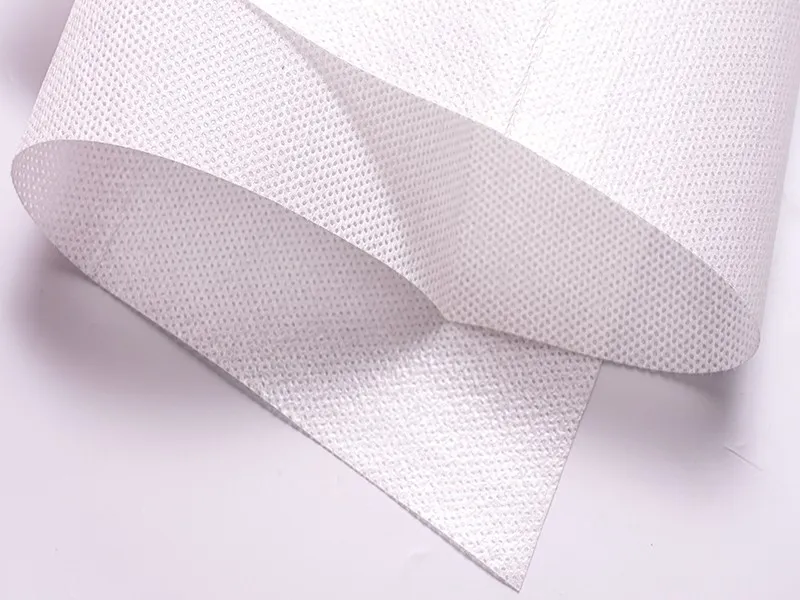

TPU Laminated Fabric offers several benefits, including waterproofing, breathability, and resistance to UV radiation. These properties make it suitable for a wide range of applications, from outdoor clothing and sports equipment to automotive interiors and industrial protective gear.
Properties of TPU Laminated Fabric Relevant to Aerospace
- Lightweight: In aerospace applications, weight is a critical factor. TPU laminated fabric is relatively lightweight compared to many other materials, which can help reduce the overall weight of aircraft and spacecraft. This, in turn, can lead to improved fuel efficiency and performance.
- High Strength and Durability: Aerospace components need to withstand extreme conditions, including high speeds, pressure changes, and temperature variations. TPU laminated fabric has high tensile strength and tear resistance, making it capable of withstanding these harsh environments.
- Chemical Resistance: TPU is resistant to a wide range of chemicals, including fuels, oils, and solvents. This property is essential in aerospace applications, where components may come into contact with various chemicals during operation.
- Flexibility: TPU laminated fabric is highly flexible, allowing it to conform to complex shapes and contours. This flexibility is beneficial for applications such as inflatable structures and flexible ducting in aerospace systems.
- Waterproofing: Aerospace components often need to be protected from moisture and water ingress. TPU laminated fabric provides excellent waterproofing properties, ensuring that sensitive equipment and structures remain dry and functional.
Potential Aerospace Applications of TPU Laminated Fabric
- Inflatable Structures: TPU laminated fabric can be used to create inflatable structures such as airbags, life rafts, and inflatable wings. These structures are lightweight, easy to deploy, and can provide additional safety and functionality in aerospace applications.
- Flexible Ducting: In aircraft and spacecraft, flexible ducting is used to transport air, gases, and fluids. TPU laminated fabric can be used to manufacture flexible ducts that are lightweight, flexible, and resistant to abrasion and chemical damage.
- Interior Components: TPU laminated fabric can be used for interior components such as seat covers, wall panels, and insulation. Its durability, flexibility, and aesthetic appeal make it a suitable choice for enhancing the comfort and functionality of aerospace interiors.
- Protective Covers: TPU laminated fabric can be used to create protective covers for aerospace equipment and components. These covers can protect against dust, debris, and environmental damage, extending the lifespan of the equipment.
Challenges and Limitations
While TPU laminated fabric offers many advantages for aerospace applications, there are also some challenges and limitations that need to be considered.
- Temperature Resistance: Although TPU has good temperature resistance, it may not be suitable for applications that require extreme temperature resistance. In high-temperature environments, TPU may soften or degrade, affecting its performance.
- Cost: TPU laminated fabric can be more expensive than some other materials, which may limit its use in cost-sensitive aerospace applications.
- Flammability: TPU is a flammable material, and in aerospace applications, fire safety is a critical concern. Special fire-retardant treatments may be required to meet the strict fire safety standards in the aerospace industry.
Conclusion
In conclusion, TPU laminated fabric has the potential to be used in a variety of aerospace applications. Its lightweight, high strength, durability, chemical resistance, flexibility, and waterproofing properties make it a suitable choice for many aerospace components. However, it is important to consider the specific requirements of each application and address the challenges and limitations associated with TPU laminated fabric.
If you are interested in exploring the use of TPU laminated fabric in your aerospace applications, I encourage you to contact us for more information. Our team of experts can provide you with detailed technical specifications, samples, and guidance on how to use our products effectively. We look forward to working with you to find the best solutions for your aerospace needs.
References
- "Thermoplastic Polyurethane (TPU): Properties, Applications, and Processing" by Saeed A. Hashmi
- "Aerospace Materials and Processes" by Daniel H. Herring
- "Advanced Composites in Aerospace Engineering" by Rajiv K. Mall


